
Cloud and DevOps services that make shipping safe and routine.

Cloud architecture on AWS, GCP, or Azure, deployment pipelines, and monitoring, built around your product so releases are quick, safe, and repeatable.

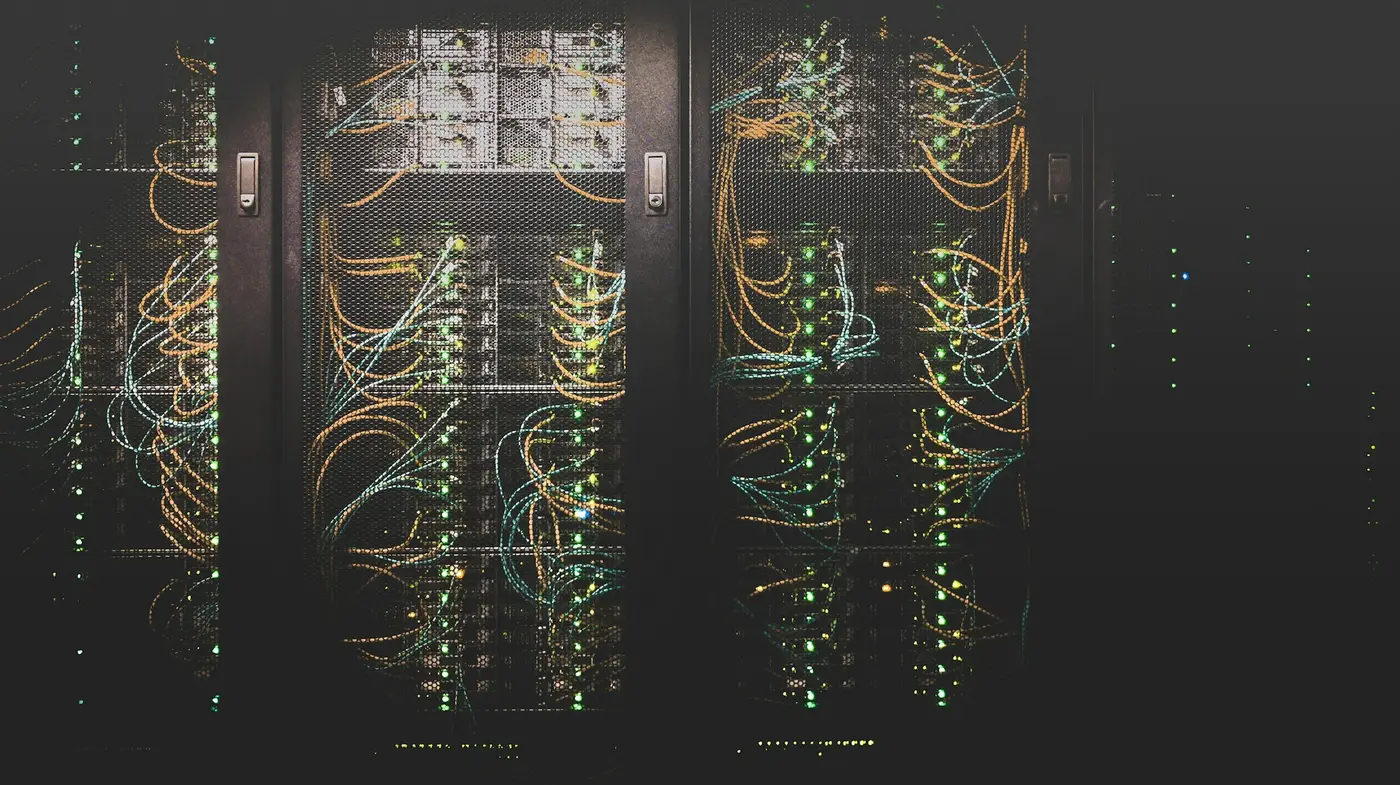
Server rack with neatly routed network cables

In this capability

AWSAzureGCPDockerKubernetesTerraformCI/CDInfrastructure automationMonitoring & observabilitySecurity & complianceCost optimizationZero-downtime deployment

What we build and how

Delivery as a capability

Automated testing and deployment pipelines reduce the friction between a finished change and a useful release, so shipping becomes routine instead of risky.

Infrastructure as code

Environments defined in Terraform or equivalent tooling so infrastructure is versioned, reviewable, and reproducible—not a snowflake server someone configured by hand.

Operational clarity

Monitoring, centralized logging, alerting, and clear runbooks help your team understand what a system is doing in production before it becomes an incident.

Scale deliberately

We choose the simplest infrastructure that meets current needs, sized to real usage, with a documented path to scale further when the product actually needs it.

Examples of what we build

Infrastructure for D2C brands with sales peaks, and for SaaS teams serving customers across regions.

Shopper entering card details to pay online on a laptop
D2C & e-commerce

Black Friday-ready headless storefront

The problemTraffic spikes during sales and drops slow the store down, right when it matters most.

What we build

  • Edge caching and a CDN in front of the headless storefront
  • Load tests before every big sale, with autoscaling sized to them
  • Status dashboards and alerts the whole team can read
  • Vercel
  • AWS
  • CDN
  • Load testing
D2C solutions
Earth at night from orbit with city lights across continents
SaaS & global products

Multi-region setup for the US, UK, and EU

The problemCustomers in Europe need their data kept in Europe, and users far away see slow pages.

What we build

  • Separate US, UK, and EU regions with data kept in place
  • Infrastructure as code, so every region is identical
  • Failover and backups tested on a schedule
  • AWS
  • Terraform
  • Kubernetes
  • PostgreSQL
SaaS & startups
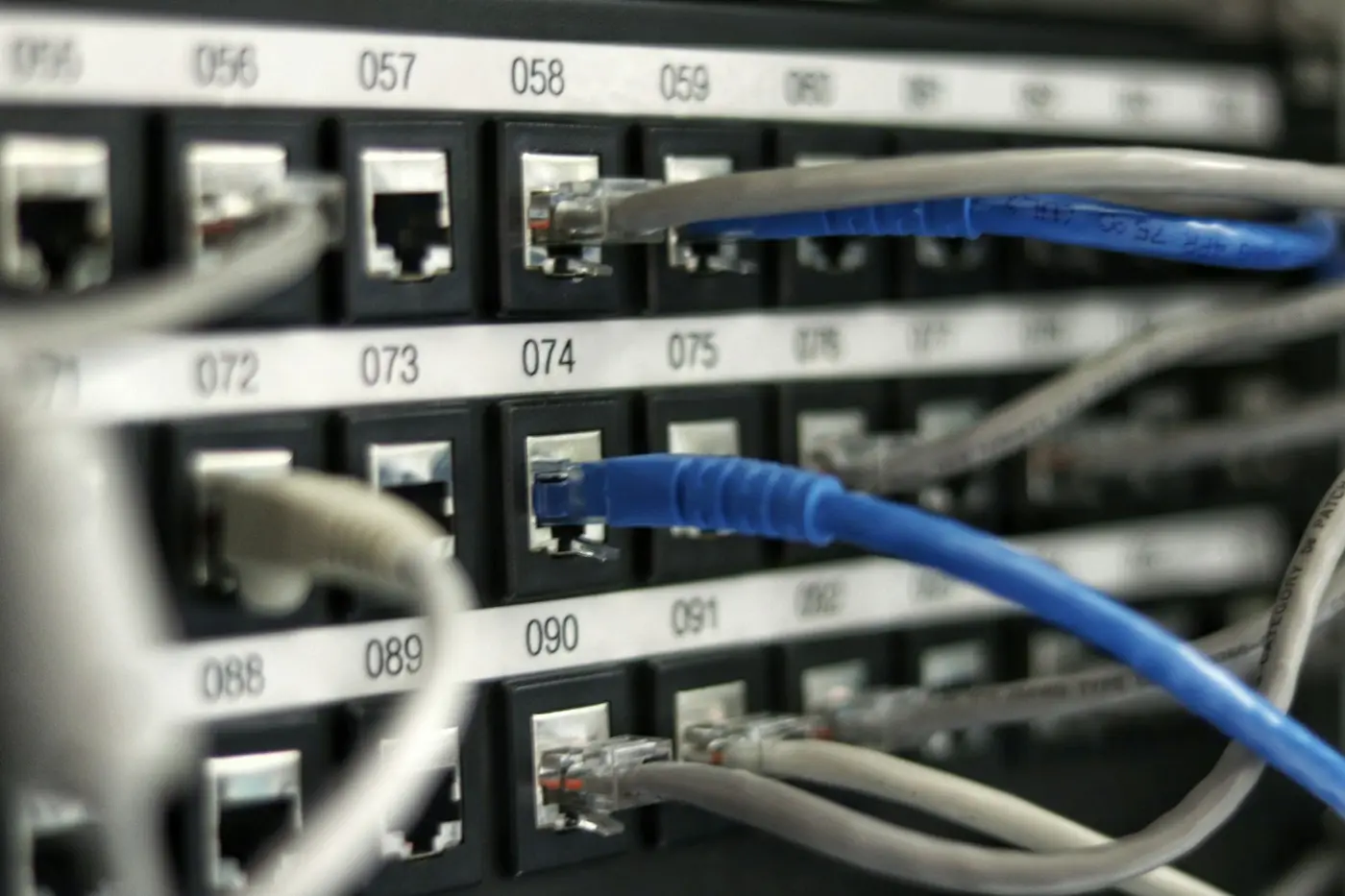
Network switch with blue cables plugged into numbered ports
Any product team

CI/CD and monitoring from scratch

The problemReleases are manual, happen late at night, and nobody knows a problem exists until users complain.

What we build

  • Automated tests, preview environments, and one-click deploys
  • Zero-downtime releases with instant rollback
  • Logs, metrics, and alerts with clear runbooks
  • GitHub Actions
  • Docker
  • Grafana
  • Sentry

Example: a release on the day of a big sale

What a routine deploy looks like once pipelines and monitoring are in place: tested, gradual, and easy to undo.

  1. 01

    Merge the change

    Tests, security checks, and a preview environment run on every pull request.

  2. 02

    Roll out gradually

    The new version goes to a small share of traffic first, then everyone.

  3. 03

    Watch the numbers

    Error rate, speed, and checkout success are compared to the last version.

  4. 04

    Roll back in one step

    If anything slips, the previous version is back in under a minute.

deploy · storefront · production
  • Tests passed (312) · security scan clean
  • Image built and pushed · eu-west-2, us-east-1
  • Canary at 10% traffic · error rate 0.02%
  • Checkout success steady · p95 load 410ms
  • Rolling out to 100% across regions…
  • Rollback ready · previous version kept warm

How an engagement runs

Typical phases. Exact timing depends on scope, and you get it in writing before we start.

  1. Week 1

    Audit

    We review your cloud accounts, costs, security, and how releases happen today.

  2. Weeks 2–3

    Pipelines first

    CI/CD, preview environments, and monitoring on your main app.

  3. Weeks 4–6

    Infrastructure as code

    Environments moved into Terraform, with access and secrets cleaned up.

  4. Ongoing

    Run and optimise

    On-call support, load tests before peaks, and regular cost reviews.

Tools we use for this

Picked for the problem and your team, not for fashion.

Full technology stack

Cloud & DevOps

  • AWS
  • Google Cloud
  • Microsoft Azure
  • Docker
  • Kubernetes
  • Terraform
  • Vercel
  • CI/CD

Databases & Data

  • PostgreSQL
  • MySQL
  • MongoDB
  • Redis
  • Elasticsearch
  • Kafka
  • Snowflake
  • Airflow

What you get from a cloud & DevOps engagement.

Infrastructure your team can operate with confidence, not a black box only one person understands.

Talk to an engineer
  • A CI/CD pipeline so deploys are routine, tested, and reversible
  • Infrastructure defined as code (Terraform or equivalent), not manual console changes
  • Centralized monitoring, logging, and alerting before something breaks in production
  • A security and access review across cloud accounts, secrets, and permissions
  • A cost breakdown of your current cloud spend with concrete optimization options
  • Runbooks and documentation your team can actually follow without you on call

Common questions

Yes. We load-test your storefront and APIs, add caching and autoscaling where needed, and stay on call during the sale with dashboards and alerts.

AWS, Google Cloud, Microsoft Azure, and Vercel, managed with Terraform, Docker, and Kubernetes where it makes sense. We choose the simplest setup that fits.

Yes. We set up regions in the US, UK, EU, or elsewhere so customer data stays where your customers and regulations need it, in line with GDPR and UK GDPR.

Usually. We review what you run and what you pay for, then right-size, remove waste, and use reserved or spot capacity where it is safe.

Tell us what you’re working on.

A few lines is enough. You’ll hear back from an engineer, not a salesperson.